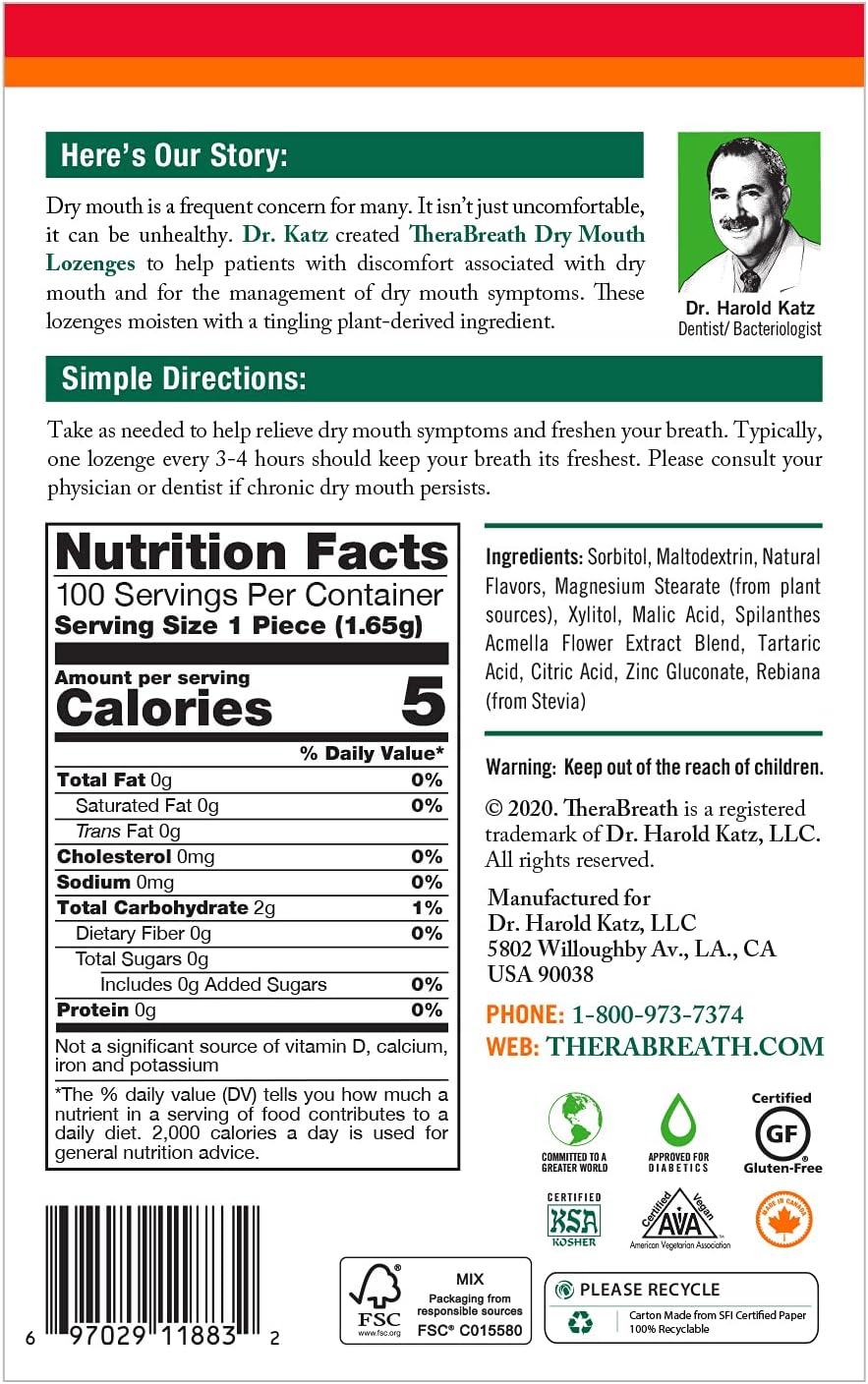
You’ve probably noticed that zinc lozenges now occupy two completely different shelf sections at the pharmacy: the cold-and-flu aisle and the oral-care aisle. Sometimes the same product tries to straddle both. That’s not an accident — zinc (a mineral the body uses in hundreds of biological processes, including keeping the immune system running and controlling the chemistry of your mouth) genuinely does double duty. But “zinc lozenge” is not one thing. The compound form of zinc in the tablet, the dose, the other ingredients around it, and even the way the lozenge is designed to dissolve all change what you’re actually buying. If you’ve ever grabbed a box because the front panel said “zinc” and “fresh breath” and later wondered why it tasted like a copper pipe and did nothing, this article is for you. By the end, you’ll be able to flip any zinc lozenge box over, scan the ingredient panel, and know in about sixty seconds whether it’s built for breath — or built for something else entirely.
Why Zinc Works on Bad Breath (and What It’s Actually Fighting)
Bad breath — clinically called halitosis — is mostly a microbial problem. Bacteria that live on the back of your tongue and below the gumline break down proteins and produce volatile sulfur compounds, or VSCs (the scientific shorthand for the sulfur-containing gases, like hydrogen sulfide, that create the rotten-egg quality in bad breath). Zinc, it turns out, is chemically very good at neutralizing VSCs. The zinc ion binds to sulfur molecules before they can become airborne — essentially sequestering the smell at the chemical level rather than covering it up with mint flavoring.
This is a meaningful distinction: zinc reacts with the odor compounds. Peppermint masks them. A well-formulated zinc lozenge can suppress VSC production for two to four hours after use, while a mint dissolves in minutes and leaves the underlying bacterial activity completely intact.
The research backing this up is solid. The Journal of Clinical Periodontology has published analyses showing that zinc salts significantly reduce VSC levels in subjects with chronic oral malodor. Healthline’s editorial overview of zinc and bad breath summarizes the mechanism clearly: zinc ions have antimicrobial properties against the specific anaerobic bacteria (bacteria that thrive without oxygen — and that tend to cluster at the back of the tongue and in gum pockets) most responsible for VSC production.
The catch: not all zinc compounds deliver that zinc ion efficiently in your mouth. That’s where the ingredient panel becomes the whole story.
The Zinc Compound Is the Most Important Line on the Label
When you flip the box over and look at the Supplement Facts or Drug Facts panel, the first thing to find is the specific zinc compound. It will appear in parentheses after the word “zinc,” like zinc acetate, zinc gluconate, or zinc citrate. These are not interchangeable.
Zinc acetate and zinc gluconate are the two forms with the most published research in lozenge form. Both release zinc ions readily in the mouth and have been studied for both immune and oral applications. Zinc gluconate is slightly more common in breath-targeted products because it has a milder taste profile and dissolves smoothly. Zinc acetate releases ions more efficiently per milligram but has a sharper metallic aftertaste at higher doses — which is why some brands use a lower dose of acetate and balance it with flavoring agents.
Zinc citrate appears frequently in toothpastes and mouthwashes, and it does have anti-tartar and antimicrobial properties. But in lozenge form, the research base is thinner compared to acetate and gluconate for breath applications specifically. It’s not useless — it’s just a weaker choice for this specific purpose.
Zinc oxide (common in sunscreen and some throat sprays) and zinc sulfate (more common in topical wound care) are poorly suited to oral supplementation and should not be on a breath lozenge label. If you see either of these as the active compound, put the box back.
Zinc picolinate is frequently marketed as the highest-bioavailability form for systemic absorption — and the Examine.com zinc overview supports that claim for gut absorption. But for breath control, you want zinc ion activity in your mouth during the lozenge’s dissolve time, not maximum absorption into the bloodstream. This is a case where the form optimized for immune support is not the form optimized for breath. That’s worth sitting with for a moment, because a lot of marketing conflates these two use cases.
By the Numbers
| Zinc compound | Oral ion availability | Taste profile | Best suited for |
|---|---|---|---|
| Zinc acetate | High | Sharper, metallic | Breath + immune (short dissolve) |
| Zinc gluconate | High | Milder | Breath-primary lozenges |
| Zinc citrate | Moderate | Mild | Toothpaste / rinse formats |
| Zinc picolinate | Low (releases systemically) | Neutral | Capsules for immune support |
Reading the Rest of the Panel: What Else Is in There With the Zinc
Knowing the zinc compound gets you 50 percent of the way there. The other 50 percent is understanding what the manufacturer put around it — because the excipients (the non-active filler and flavoring ingredients) can either support the zinc’s function or actively undermine it.
Citric acid is the most important one to watch. It’s extremely common as a flavoring acidulant in lozenges, and at high concentrations it binds to zinc ions before those ions can do their job in your mouth. Research published in the Journal of Clinical Periodontology and cited in multiple NIH-adjacent analyses found that citric acid substantially reduces the amount of free zinc ion available during dissolution. Brands aware of this formulation problem keep citric acid low or leave it out entirely. Brands that don’t know — or don’t care — load it in because it makes the product taste brighter and more pleasant. The result is a nicely flavored lozenge that underdelivers on breath control. You’re essentially paying for a breath-adjacent mint.
Sorbitol and mannitol (sugar alcohols used as sweeteners) are generally neutral from a zinc-interaction standpoint and are preferable to sucrose in a breath-targeted lozenge, since sucrose feeds the oral bacteria you’re trying to suppress. If the sweetener list shows sucrose or corn syrup as a primary sweetener, that’s a formulation red flag for a product claiming breath benefits.
Glycine (an amino acid sometimes added to zinc lozenges) appears to extend the release time of zinc ions and improve the taste. Some brands, particularly those in the $15–$25 premium tier, include glycine specifically for this reason. It’s not essential, but it’s a sign the formulator thought carefully about the delivery mechanism.
Menthol and eucalyptol show up in many zinc lozenges because they provide the cool, “clean” sensation readers associate with fresh breath. At low concentrations they’re harmless and do contribute a short-term masking effect that complements the zinc’s longer-acting chemistry. At very high concentrations they can be slightly antimicrobial on their own — but in most commercial lozenges, the dose is well below that threshold. Think of them as a legitimate short-term boost layered on top of the zinc’s medium-term action.
Copper occasionally appears in zinc formulations because long-term zinc supplementation can deplete copper in the body (they compete for absorption). The Mayo Clinic’s zinc safety overview flags this interaction explicitly: supplemental zinc above 40 mg per day can lead to copper deficiency over time. This is more relevant to people using zinc lozenges for immune support at high frequency than for occasional breath-targeting use. But if you’re using two or more lozenges daily as part of a consistent oral-care routine, it’s worth noting.
Dose: How Much Zinc Is Enough — and When More Is a Problem
Most breath-targeted zinc lozenges deliver somewhere between 5 mg and 23 mg of elemental zinc (the actual zinc content, regardless of how heavy the surrounding compound molecule is). For breath control specifically, the research literature clusters around 5–15 mg as the effective range per lozenge. Higher doses don’t proportionally increase breath benefit — at a certain point you’ve saturated the available VSC binding sites in the oral environment, and the rest of the zinc is just passing through.
The National Institutes of Health Office of Dietary Supplements sets the Tolerable Upper Intake Level (UL) for zinc at 40 mg per day for adults. This is the threshold above which adverse effects — nausea, interference with copper and iron absorption — become more likely. A single 10 mg lozenge used one to three times daily sits well within that range. If you’re also taking a multivitamin with zinc, it’s worth adding the totals: zinc stacks across every source you consume.
Making the Call: If X, Then Y
Here’s the decision rule this article is building toward.
If you see zinc gluconate or zinc acetate as the active compound, citric acid is absent or listed far down the inactive ingredients, and the sweetener is sorbitol or mannitol: you have a formulation that’s genuinely built for breath. That’s your buy.
If you see zinc picolinate as the active compound: this product is optimized for systemic immune support, not for oral VSC reduction. It may still taste fine and provide some benefit, but the mechanism doesn’t prioritize your mouth during the lozenge’s dissolve time. Buy it for immune support; don’t expect leading-edge breath results.
If you see zinc gluconate or acetate but citric acid appears in the top three inactive ingredients: the formulation is working against itself. The taste will be brighter and more pleasant — and the breath effect will be noticeably weaker than a comparable dose without the citric acid load. This is the most common mistake mid-tier breath lozenges make.
If the dose is above 23 mg per lozenge and the package suggests using multiple lozenges daily: run the math against the 40 mg UL before committing to a routine protocol, especially if zinc appears in other supplements in your stack.
The ingredient panel on a zinc lozenge is a two-minute read that tells you almost everything you need to know. Compound form, citric acid position, sweetener type, dose. Get those four checkpoints right, and you’ve filtered out most of the products that will disappoint you — and zeroed in on the ones doing the actual work.